Yu-Gi-Oh! Card Database
Explore the complete Yu-Gi-Oh! card database with over 14,000 cards including monsters, spells, and traps. Search by attribute, frame type, or set, and check current market prices from TCGplayer.
14,166 cards
Browse all with filters →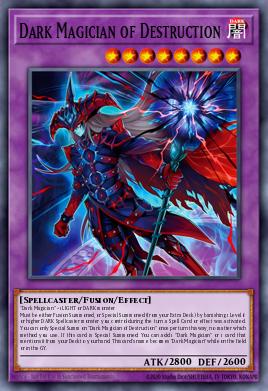
Dark Magician of Destruction
Collector's Rare
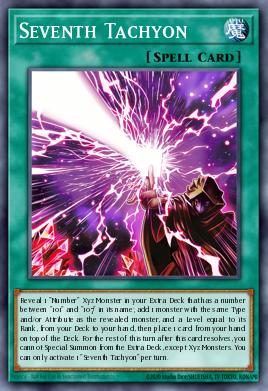
Seventh Tachyon
Collector's Rare
Chaos Angel
Prismatic Secret Rare
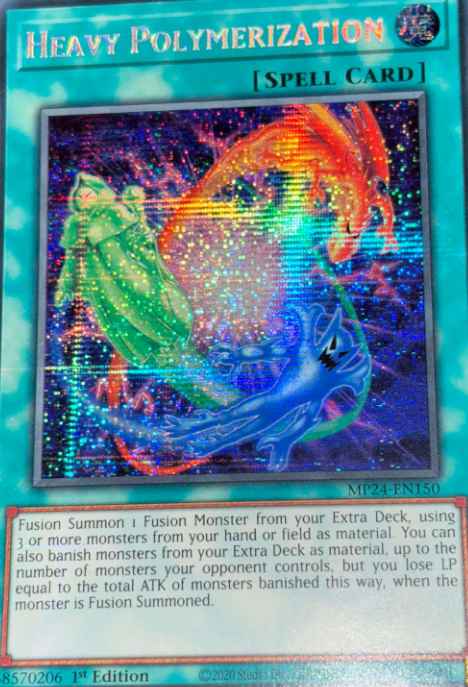
Heavy Polymerization
Prismatic Secret Rare

Medius the Pure
Starlight Rare

Bystial Dis Pater
Prismatic Secret Rare
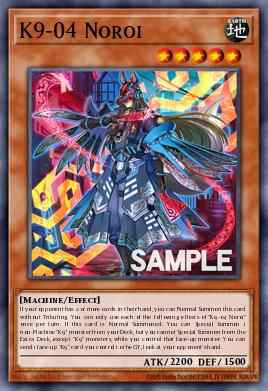
K9-04 Noroi
Starlight Rare
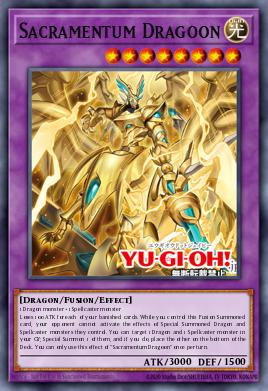
Secreterion Dragon
Starlight Rare
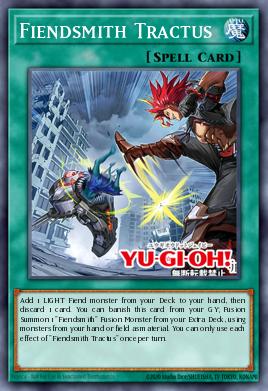
Fiendsmith's Tract
Prismatic Secret Rare
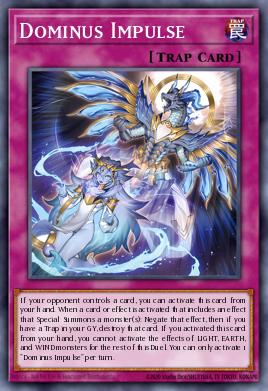
Dominus Impulse
Prismatic Secret Rare

K9-17 Izuna
Collector's Rare
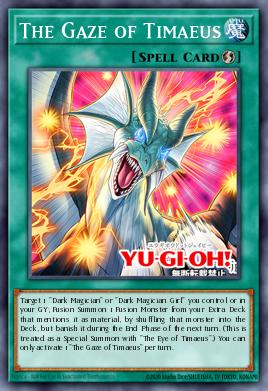
The Gaze of Timaeus
Collector's Rare

Vanquish Soul Razen
Prismatic Secret Rare
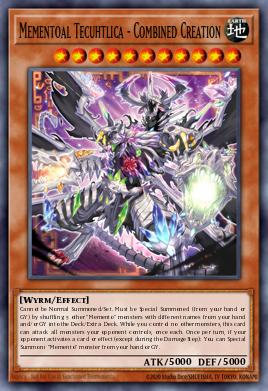
Mementoal Tecuhtlica - Combined Creation
Collector's Rare

Arias the Labrynth Butler
Prismatic Secret Rare
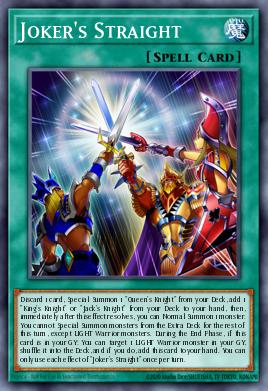
Joker's Straight
Collector's Rare

Illusion Gate
Collector's Rare
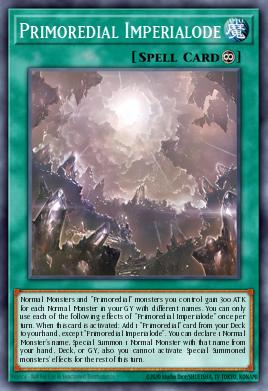
Primite Lordly Lode
Prismatic Secret Rare

Radiant Typhoon Swen
Starlight Rare
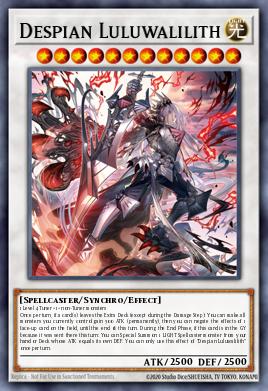
Despian Luluwalilith
Prismatic Secret Rare
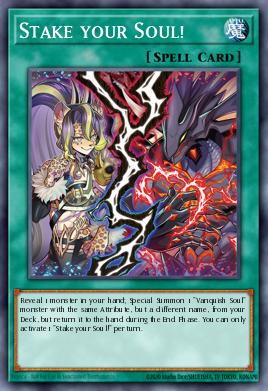
Stake your Soul!
Prismatic Secret Rare

Kewl Tune Synchro
Starlight Rare

Radiant Typhoon Chant
Starlight Rare
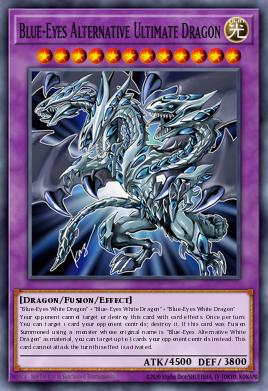
Blue-Eyes Alternative Ultimate Dragon
Prismatic Secret Rare
About Yu-Gi-Oh!
Yu-Gi-Oh! launched in 1999 as a tie-in to the manga and anime series by Kazuki Takahashi, and has since grown into one of the best-selling trading card games in history with over 35 billion cards sold worldwide. Published by Konami, the game is known for its fast-paced duels, complex combo chains, and constantly evolving metagame.
Unlike many other TCGs, Yu-Gi-Oh! has no rotating format — every card ever printed is legal unless specifically placed on the Forbidden & Limited list. This means the card pool is enormous, with over 12,000 unique cards spanning archetypes from Blue-Eyes White Dragon to modern combo decks. The game rewards deep knowledge of card interactions and creative deck building.
The Yu-Gi-Oh! competitive scene is highly active, with official Konami tournaments (YCS events) drawing thousands of players. The secondary market is driven by meta relevance — cards that see competitive play can spike dramatically in price, while reprints in structure decks and tins make the game more accessible to new players.
How to Play
Players duel with 40-60 card Main Decks plus a 15-card Extra Deck and Side Deck. Each turn involves drawing, summoning monsters, setting spells and traps, and battling. The goal is to reduce your opponent's Life Points from 8000 to 0. Yu-Gi-Oh! features multiple summoning mechanics — Normal, Tribute, Fusion, Synchro, Xyz, Pendulum, and Link — each adding strategic layers. There is no mana system; instead, stronger monsters require tributes or specific materials, making resource management about card advantage and board presence.
Read the full beginner's guide →Key Mechanics
Summoning Types
Yu-Gi-Oh! features seven summoning methods: Normal Summon, Tribute Summon, Fusion (combining materials), Synchro (Tuner + non-Tuner), Xyz (overlaying same-level monsters), Pendulum (scale-based), and Link (materials based on arrows). Mastering these is essential for competitive play.
Chain System
Effects activate and resolve in chains (similar to a stack). Players alternate adding effects to the chain, which then resolves backwards. Understanding chain links, spell speeds, and timing ('when' vs 'if') is critical for advanced play.
Archetypes
Most Yu-Gi-Oh! decks are built around themed card groups (archetypes) like Blue-Eyes, Dark Magician, or Branded. Archetype cards synergize with each other through naming conventions and shared effects, encouraging themed deck building.
Hand Traps
Monster cards that activate their effects from the hand during either player's turn serve as interactive disruption. Cards like Ash Blossom, Effect Veiler, and Maxx "C" define the format by providing counterplay without requiring set cards.
Going First vs Second
The choice to go first or second is a major strategic decision. Going first allows you to set up an unbreakable board with negation effects, while going second gives you the first attack and access to powerful board-breaking cards.
Collecting Tips
- Structure decks are the best entry point — they contain a playable 40-card deck with key staple cards for around $10.
- Quarter Century Secret Rares and Starlight Rares are the most collectible modern rarities, often worth $100+ per card.
- Buy singles for competitive play rather than opening packs — Yu-Gi-Oh! pack odds can be unforgiving for specific chase cards.
- Keep an eye on the Forbidden & Limited list updates (published quarterly) as they directly impact card prices and meta viability.
- Tin releases and reprint sets like Maximum Gold offer significant savings on staple cards that were previously expensive.
Frequently Asked Questions
How many cards are in a Yu-Gi-Oh! deck?
The Main Deck must contain between 40 and 60 cards, with 40 being optimal for consistency. You also have a 15-card Extra Deck (for Fusion, Synchro, Xyz, and Link monsters) and a 15-card Side Deck for swapping cards between games in a match. Up to 3 copies of any non-limited card are allowed.
What is the best Yu-Gi-Oh! deck for beginners?
Structure decks like the Blue-Eyes or Dark Magician decks are great starting points. For competitive play on a budget, buying three copies of a recent structure deck gives you a solid 40-card deck. The Branded Despia and Labrynth archetypes are also beginner-friendly with strong performance.
What is the banlist in Yu-Gi-Oh?
The Forbidden & Limited list is updated quarterly by Konami to balance the game. Forbidden cards cannot be used at all, Limited cards allow 1 copy, and Semi-Limited cards allow 2 copies. This list directly impacts which decks are viable and can cause dramatic price shifts in the secondary market.
What are the rarest Yu-Gi-Oh! cards?
The rarest modern rarities are Starlight Rare (approximately 1 per 2 cases), Quarter Century Secret Rare, and Ghost Rare. Among vintage cards, first-edition cards from Legend of Blue Eyes White Dragon and Metal Raiders command premium prices, with the LOB-000 Blue-Eyes White Dragon being iconic.
How does the Extra Deck work in Yu-Gi-Oh?
The Extra Deck holds up to 15 Fusion, Synchro, Xyz, Link, and Pendulum monsters (when face-up). These are not drawn — instead, they are summoned to the field when you meet the required summoning conditions using monsters from your field or hand. The Extra Deck is a toolbox of powerful options available throughout the duel.