Magic: The Gathering Card Database
Search the complete Magic: The Gathering card database with over 30,000 cards from every standard set. Filter by color, rarity, and mana value, or browse by set to find exactly the card you need for your deck.
30,201 cards
Browse all with filters →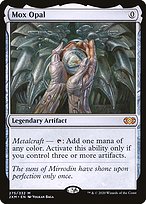
Mox Opal
mythic
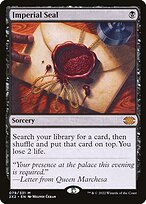
Imperial Seal
mythic
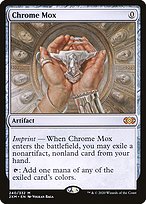
Chrome Mox
mythic
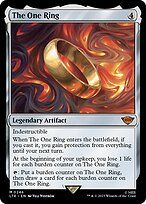
The One Ring
mythic
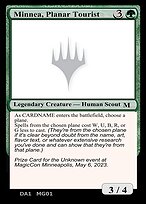
Minnea, Planar Tourist
mythic
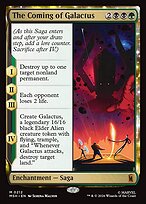
The Coming of Galactus
mythic

The Waffle Restaurant
mythic
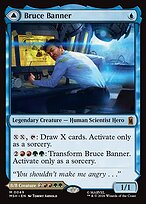
Bruce Banner // The Incredible Hulk
mythic
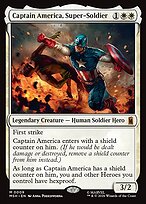
Captain America, Super-Soldier
mythic
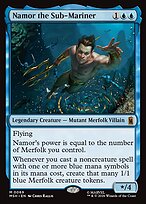
Namor the Sub-Mariner
mythic
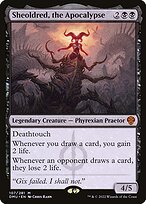
Sheoldred, the Apocalypse
mythic
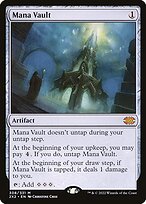
Mana Vault
mythic
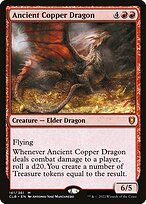
Ancient Copper Dragon
mythic
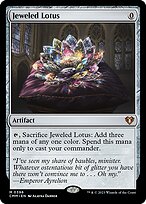
Jeweled Lotus
mythic
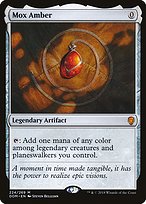
Mox Amber
mythic
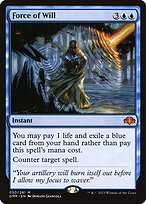
Force of Will
mythic
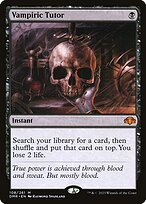
Vampiric Tutor
mythic
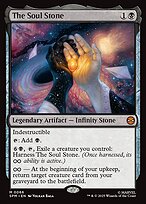
The Soul Stone
mythic
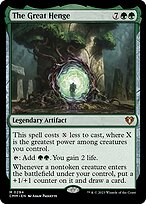
The Great Henge
mythic
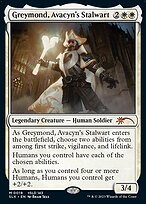
Greymond, Avacyn's Stalwart
mythic
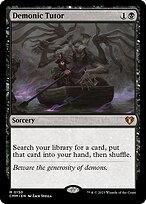
Demonic Tutor
mythic
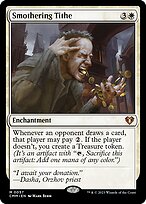
Smothering Tithe
mythic
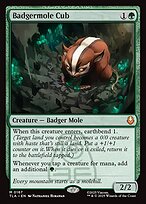
Badgermole Cub
mythic
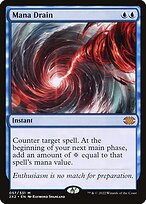
Mana Drain
mythic
About MTG
Magic: The Gathering, created by mathematician Richard Garfield and published by Wizards of the Coast in 1993, is the original collectible card game and remains the gold standard of the genre. With over 27,000 unique cards printed across hundreds of sets, MTG offers unmatched depth in both gameplay strategy and collecting.
The game is built around five colors of mana — White, Blue, Black, Red, and Green — each representing different philosophies and play styles. White emphasizes order and protection, Blue focuses on knowledge and control, Black pursues power at any cost, Red channels chaos and aggression, and Green represents nature and growth. The interplay between these colors creates one of the richest strategic landscapes in gaming.
Magic has a thriving competitive scene spanning multiple formats, from Standard (recent sets only) to Modern, Legacy, and the wildly popular Commander format. The secondary market for MTG cards is robust, with iconic cards like Black Lotus valued at over $500,000 and many staple cards holding steady value for years.
How to Play
Players build decks of at least 60 cards (or 100 for Commander) using a combination of lands, creatures, instants, sorceries, enchantments, artifacts, and planeswalkers. Each turn, you may play one land that produces mana, then spend mana to cast spells. Creatures attack and block in combat. The goal is to reduce your opponent from 20 life to 0. The stack system allows for complex spell interactions and instant-speed responses, giving MTG its signature strategic depth.
Read the full beginner's guide →Key Mechanics
Mana System
Lands produce colored mana used to cast spells. The five colors each have distinct strengths: White excels at life gain and tokens, Blue at card draw and counters, Black at removal and recursion, Red at direct damage, and Green at large creatures and ramp.
The Stack
Spells and abilities go on the stack and resolve in last-in, first-out order. Players can respond to each other's spells at instant speed, creating layered interactions that reward timing and bluffing.
Combat Phase
Attackers are declared, then defenders choose blockers. Damage is assigned simultaneously. Evasion abilities like flying, trample, and menace add tactical complexity to every combat step.
Card Advantage
Drawing more cards than your opponent is one of MTG's most fundamental strategic concepts. Cards that generate two-for-one exchanges or provide recurring value are the backbone of winning strategies.
Formats
MTG supports multiple formats with different card pools: Standard (recent sets), Pioneer, Modern, Legacy, Vintage, and Commander (100-card singleton multiplayer). Each format has its own banned list and metagame.
Collecting Tips
- Focus on format staples if you want cards that hold value — lands like fetch lands and shock lands are always in demand across multiple formats.
- Collector Boosters contain the highest density of premium cards including foils, borderless variants, and serialized cards.
- Commander preconstructed decks offer excellent value with multiple reprints of expensive staples and unique new cards.
- Watch reprint cycles — cards tend to spike before reprints are announced and drop after. Buying post-reprint saves money.
- Store cards properly in sleeves and toploaders. Humidity and sunlight damage MTG cards quickly, reducing both playability and resale value.
Frequently Asked Questions
How many cards are in a Magic: The Gathering deck?
A standard MTG deck requires a minimum of 60 cards with no maximum, though 60 is optimal. In Commander format, decks are exactly 100 cards including the commander. You may include up to 4 copies of any non-basic land card in constructed formats, while Commander is singleton (one copy each).
What is Commander format in MTG?
Commander (also called EDH) is a multiplayer format where each player builds a 100-card singleton deck led by a legendary creature as their commander. It's the most popular casual MTG format, emphasizing creativity, politics, and memorable game moments over strict competition.
What are the most valuable Magic cards?
The Power Nine from Alpha/Beta (1993) are the most valuable, led by Black Lotus which has sold for over $500,000. Among modern cards, serialized cards, extended art mythics, and format staples like fetch lands command premium prices ranging from $20 to several hundred dollars.
What is the best MTG format for beginners?
Standard is the most accessible competitive format since it uses a smaller card pool from recent sets. For casual play, Commander preconstructed decks provide a ready-to-play experience with built-in variety. Arena (the digital version) is also excellent for learning the rules for free.
How does the color system work in Magic?
The five colors each have distinct philosophies and mechanical strengths. White focuses on small creatures and protection, Blue on card draw and countermagic, Black on destruction and recursion, Red on speed and direct damage, and Green on large creatures and mana acceleration. Most competitive decks combine two or three colors.